Residential landscaping is one of the biggest factors in how your property looks, functions, and holds value over time. Many homeowners put time and money into their yard, but without a clear plan, small decisions can lead to long-term problems.
At first, it may not seem like a big issue. A few struggling plants, a lawn that grows unevenly, or water that lingers after a storm. Over time, those small issues build up and the yard becomes harder to manage instead of easier to enjoy.
The reality is simple. Strong residential landscaping requires planning, proper timing, and thoughtful garden design and planting. In Southern Maryland, where humidity, heavy rainfall, and seasonal changes all play a role, even small mistakes can quickly become expensive.
Below are some of the most common residential landscaping mistakes homeowners make and how to avoid them.
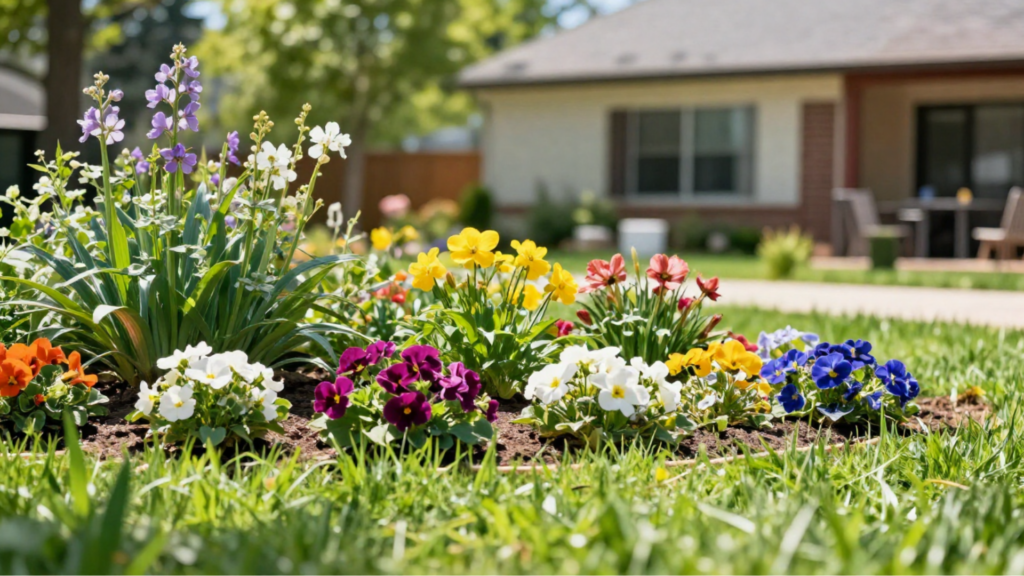
Choosing Plants Without Considering the Environment
One of the most common residential landscaping mistakes starts with plant selection. A plant might look great at the nursery, but that does not mean it will thrive on your property.
Southern Maryland landscapes deal with changing conditions throughout the year, including heat, humidity, and varying soil types. When plants are not suited to those conditions, they often become weak, require more maintenance or fail entirely.
The University of Florida IFAS Extension explains that choosing the right plant for the right place is one of the most important steps in successful landscaping.
Good residential landscaping starts with plants that match the environment. Strong garden design and planting focuses on long-term success, not short-term appearance.
Ignoring Drainage Problems
Drainage is one of the most overlooked parts of residential landscaping, but it has a major impact on how your yard performs.
You might notice signs like:
- Standing water after rain
- Areas that stay muddy longer than they should
- Yellowing or thinning grass
- Soil erosion near beds or walkways
When drainage is ignored, it can lead to root damage, plant stress and even structural concerns around your home.
Proper garden design and planting considers how water moves across your property. Addressing drainage early helps prevent larger problems and supports healthier residential landscaping overall.
Planting Too Close Together
A landscape can look full and finished right after installation, but planting too closely is a mistake that shows up over time.
As plants grow, they begin competing for sunlight, water and nutrients. This leads to overcrowding, reduced airflow and increased disease risk.
Strong residential landscaping plans for growth. Instead of focusing only on how things look at installation, effective garden design and planting accounts for mature size and spacing.
This creates a landscape that stays balanced, healthier and easier to maintain.
Skipping a Long-Term Landscaping Plan
Many homeowners approach residential landscaping in stages, adding elements over time without a clear direction. The result is often a yard that feels disconnected or inconsistent.
A well-designed landscape should feel cohesive from front to back. That includes how the lawn, planting beds, walkways and other features relate to each other.
Without a plan, it is easy to spend money on changes that do not improve the overall look or function of the property.
Thoughtful garden design and planting brings everything together so your residential landscaping feels intentional instead of pieced together.
Using Incorrect Mulching Techniques
Mulch is one of the simplest ways to improve both the appearance and health of a landscape, but it is often applied incorrectly.
Common mistakes include:
- Applying mulch too thick
- Piling mulch against tree trunks
- Allowing old mulch to build up over time
When done properly, mulch helps retain moisture, regulate soil temperature and reduce weeds. When done incorrectly, it can trap moisture and cause plant damage.
Good residential landscaping uses mulch as a functional layer, not just a visual one. Proper garden design and planting ensures mulch supports plant health while maintaining a clean, finished look.
Neglecting Edges and Borders
Sometimes the biggest issue in residential landscaping is not the plants themselves, but the lack of definition around them.
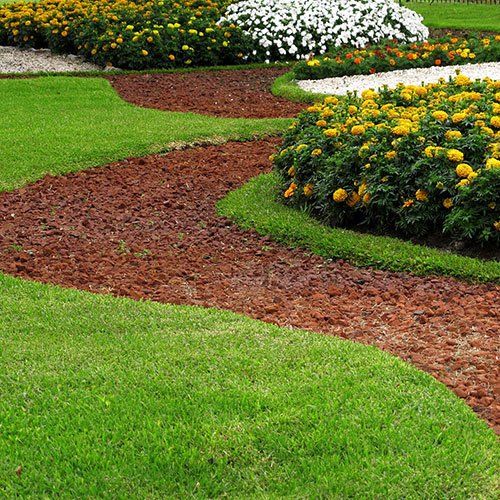
Clean edges between turf and planting beds create structure and make the entire yard look more organized. Even without adding new features, this detail can dramatically improve curb appeal.
Defined borders also make mowing and maintenance easier. This is one of the simplest upgrades in garden design and planting, but it has a major impact on the final result.
Overcomplicating the Landscape
It is easy to assume that more plants, more shapes, and more features will create a better landscape. In reality, overly complex residential landscaping often looks cluttered and becomes harder to maintain.
A cleaner approach usually works better. This includes:
- Repeating plant groupings
- Keeping bed lines simple
- Limiting the number of materials used
- Focusing on one or two clear focal points
Strong garden design and planting creates balance and consistency, which makes the entire property feel more polished.
Forgetting About Year-Round Appearance
A yard that looks great in one season but neglected in another is missing an important part of residential landscaping.
Each season brings different challenges. Spring blooms fade, summer heat stresses plants and winter exposes the structure of your landscape.
Planning for year-round performance means including elements that provide consistency, such as evergreens, layered plantings and strong bed structure.
Good garden design and planting ensures your landscape maintains its appearance throughout the year, not just during peak seasons.
Not Designing with Maintenance in Mind
Another common residential landscaping mistake is creating a design that looks great at first but becomes difficult to maintain.
Some landscapes require constant pruning, watering, and seasonal replacements. If that level of maintenance is not realistic, the yard quickly starts to decline.
Smart garden design and planting considers how the landscape will be maintained over time. It balances appearance with practicality so your residential landscaping stays manageable.
Treating Landscaping as Only Visual
Residential landscaping is often seen as a cosmetic upgrade, but it plays a much larger role.
A well-designed landscape can:
- Improve drainage
- Protect your home’s foundation
- Reduce erosion
- Support healthier soil
- Improve safety around walkways and entry areas
When landscaping is treated as purely visual, these functional benefits are often overlooked.
Strong garden design and planting improves both how your yard looks and how it performs.
Why Residential Landscaping Mistakes Add Up Over Time
Most landscaping mistakes do not seem serious at first. A poorly placed plant may survive for a while and minor drainage issues may only appear during heavy rain.
Over time, these problems grow and require more effort and cost to fix. Homeowners often end up replacing plants, correcting soil issues or redesigning entire sections of their yard.
Well-planned residential landscaping reduces the need for these corrections. Thoughtful garden design and planting creates a more durable and efficient outdoor space from the beginning.
What Professional Residential Landscaping Does Differently
Professional residential landscaping focuses on long-term results instead of short-term fixes.
A professional approach looks at:
- Soil conditions
- Drainage patterns
- Sun exposure
- Plant compatibility
- Long-term maintenance needs
This level of planning creates a stronger foundation for your entire landscape. Instead of reacting to problems, professional garden design and planting helps prevent them.
Build Residential Landscaping That Lasts
If your yard feels inconsistent, difficult to manage, or underperforming, the issue is usually not effort. It is strategy.
Avoiding common residential landscaping mistakes helps create a property that is healthier, easier to maintain, and more visually balanced.
Scott Landscaping Services provides expert residential landscaping and garden design and planting throughout Southern Maryland. We create structured outdoor spaces designed to perform in Maryland’s climate and stay strong season after season.
If you are ready to improve your landscape and avoid costly mistakes, contact us today to schedule your consultation.