Southern Maryland’s weather is constantly changing — hot summers, humid evenings, sudden storms, heavy rainfall, and cold winters. These shifts make it challenging for homeowners to keep a lawn looking healthy. When you understand how to care for lawn in this climate, everything changes. You start to see why grass turns brown in August, why puddles stay after storms and why your lawn struggles in early spring.
Most lawn issues aren’t random. They are reactions to weather. Once you understand how the climate affects your soil, roots and grass blades, you can give your lawn exactly what it needs at the right time.
Below, we break down how each season impacts your lawn — and more importantly, how to care for lawn in a way that keeps it green, strong and thriving year-round.
How Weather Impacts Your Lawn (and How to Care for Lawn in Every Season)
Weather in Southern Maryland plays a major role in how your lawn grows, how strong the roots become, and how well the lawn can resist disease. If you’re learning how to care for lawn correctly, the first step is understanding how the climate works against it. Heat dries the soil. Rain compacts it. Cold stresses it. Humidity encourages fungus. Every season requires a different approach.
The more you know the “why,” the easier it becomes to adjust your lawn care routine and prevent damage before it starts.
How to Care for Lawn During Southern Maryland’s Hot, Dry Summers
Summer is one of the toughest seasons for lawns in Southern Maryland. Temperatures rise quickly, the sun becomes intense, and cool-season grasses such as tall fescue naturally slow their growth when heat becomes extreme.
This heat stress often causes lawns to turn brown or patchy. That doesn’t always mean the grass is dead — most of the time, it’s dormant and protecting itself.
To learn how to care for lawn during summer, focus on reducing stress and providing steady moisture in a smart way.
How to care for lawn in summer:
- Water deeply once or twice a week, not every day.
- Water early in the morning to reduce evaporation.
- Raise your mowing height to shade the roots.
- Avoid fertilizing during extreme heat.
- Limit foot traffic on stressed areas.
These small adjustments help your lawn conserve energy, survive heat waves and recover faster in the fall.
Storms, Rain, and Humidity: How to Care for Lawn When Moisture Becomes a Problem
While summer brings heat, Southern Maryland also deals with intense storms and long periods of humidity. Too much moisture can be just as damaging as too little. Heavy rain leads to puddles, muddy areas and weakened root systems. Humidity increases fungus growth and encourages lawn diseases.
When you’re learning how to care for lawn during wet weather, your main goal is improving soil structure and avoiding unnecessary damage.
Common issues caused by excess moisture include:
- Fungus and turf diseases
- Soil compaction
- Standing water
- Thatch buildup
- Weak or shallow roots
How to care for lawn in rainy or humid conditions:
- Aerate to improve drainage and allow oxygen into the soil.
- Avoid mowing when the lawn is extremely wet.
- Reduce watering during rainy weeks.
- Correct low spots with topsoil to prevent puddling.
Healthier soil means stronger grass — and a lawn that can handle unpredictable weather much better.
Spring & Fall Recovery: The Best Times to Improve Your Lawn and Learn How to Care for Lawn Properly
Spring and fall are the most important seasons when it comes to rebuilding your lawn’s strength. If you’re serious about learning how to care for lawn long-term, these are the months that matter most.
Spring Care
Spring is a recovery season. The goal is to gently wake the lawn after winter dormancy. This is the perfect time for:
- Removing debris
- Checking soil conditions
- Applying pre-emergent weed control
- Sharpening mower blades
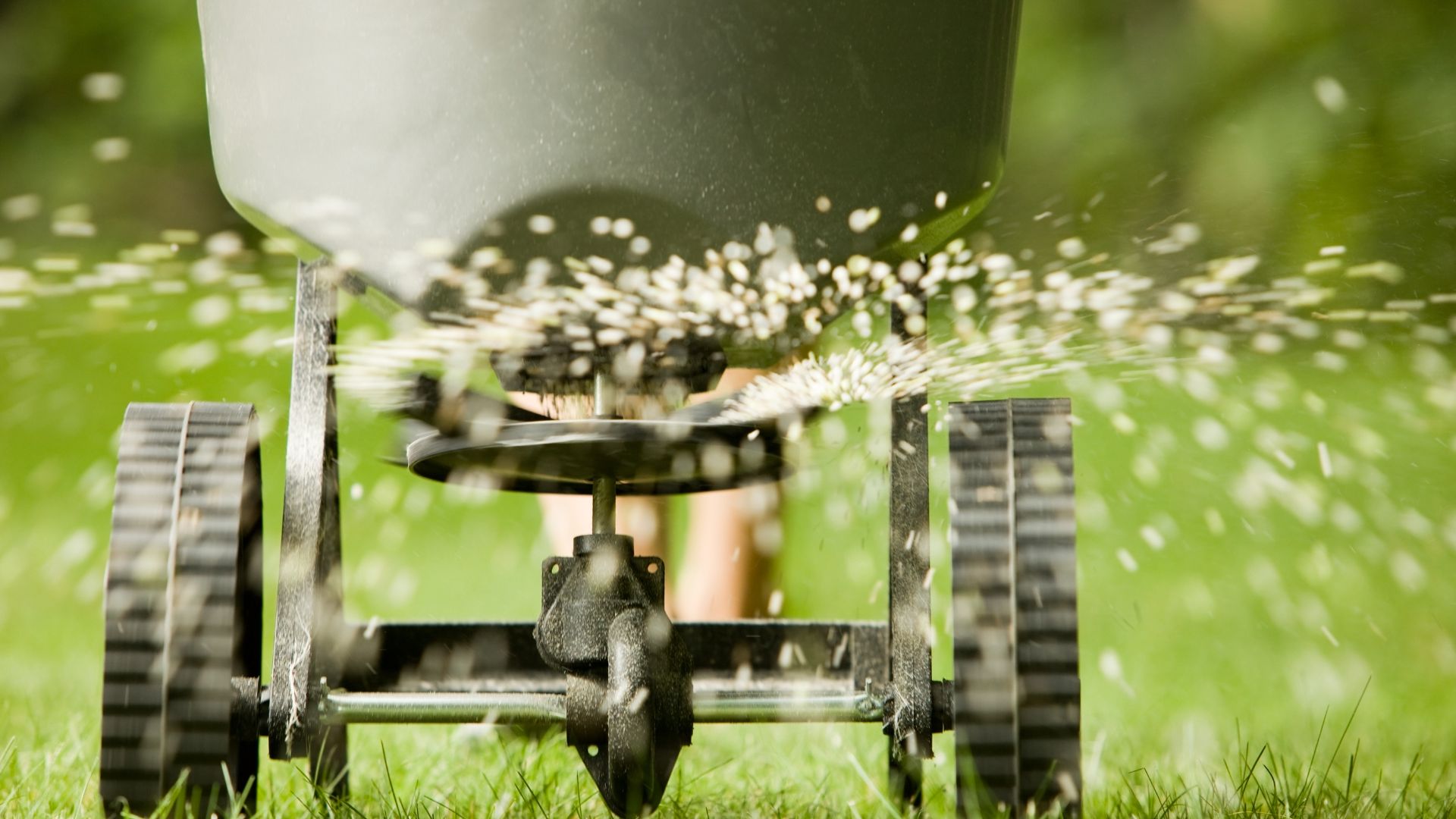
- Light fertilization
Spring growth should be encouraged — not forced. Too much fertilizer or mowing too short can shock the lawn.
Fall Care (the MOST important season)
Fall is when your lawn repairs itself from summer stress and prepares for winter. If you’re asking how to care for lawn for the best long-term results, fall treatments are essential.
The best fall lawn care tasks include:
- Aeration
- Overseeding
- Fall fertilizer
- Repairing thin or patchy areas
- Strengthening roots for winter
This is the season that determines how thick, healthy and green your lawn will be next spring.
Winter Dormancy Explained: How to Care for Lawn During Cold Weather
Your lawn may look dead in winter — but it isn’t. Grass naturally shuts down to protect itself from cold temperatures. During this time, your job is not growth. It’s protection.
Grass blades become fragile in freezing temperatures and walking on frozen turf can damage the crown of the plant.
How to care for lawn in winter:
- Avoid walking on frozen grass.
- Keep sidewalks and driveways clear so no one steps on the lawn.
- Hold off on fertilizing — grass cannot absorb nutrients in cold soil.
- Plan drainage or landscaping improvements for spring.
Winter is a “rest” period. The lawn uses this season to store energy for spring growth.

Why Understanding Weather Patterns Matters When Learning How to Care for Lawn
Prince George’s County Public Works highlights how seriously Maryland takes winter weather. In snow emergencies, crews are responsible for keeping more than 1,900 miles of roads “passable” to protect residents and travelers.
This level of preparation shows how deeply weather impacts daily life here, including the health of your lawn.
Knowing how to care for lawn based on weather allows you to prevent:
- Thinning or weak grass
- Brown spots
- Drainage issues
- Fungus outbreaks
- Soil damage
- Long-term turf decline
Weather-smart lawn care isn’t complicated. It simply means adjusting your routine based on the climate.
Seasonal Breakdown: A Simple Guide on How to Care for Lawn Year-Round
Here’s a clear overview of how to care for lawn effectively through all four seasons in Southern Maryland.
Spring
Focus on recovery and gentle growth. Clean, prepare, control weeds, and lightly fertilize.
Summer
Protect the lawn from heat stress. Water deeply, mow high and reduce traffic.
Fall
This is your lawn’s rebuilding season. Aerate, overseed, fertilize and repair damage.
Winter
Protect roots and blades. Limit foot traffic and skip unnecessary treatments.
Following this seasonal approach ensures your lawn stays healthy despite Maryland’s unpredictable climate.
Weather Can Make or Break Your Lawn
Your lawn reacts to weather long before you see signs of stress. Heat, storms, humidity, excess rain and winter cold all impact soil and grass health. Once you learn how to care for lawn based on these weather patterns, maintaining a thick, green, resilient yard becomes much easier.
A weather-smart lawn is stronger, more attractive and less expensive to maintain over time.
Need Help Keeping Your Lawn Healthy Through Every Season?
Scott Landscaping Services specializes in lawn care designed for Southern Maryland weather. From aeration and fertilization to drainage solutions and overseeding, we help your lawn thrive in every season.
If you want a greener, healthier lawn year-round, request your free estimate today.